

Before the visit: think like a historian
See • Think • Wonder
Display an image of the Commemorative Area without initially naming it. Students record:
SEE: What can you observe without interpreting?
THINK: What might these features mean? What evidence supports your idea?
WONDER: What would you need to investigate to find out more?

Vocabulary lab
Explicitly teach: commemoration, memorial, artefact, source, evidence, perspective, significance, service, remembrance, inference, corroboration
Locate the site
Use a digital map to locate Canberra and the Memorial. Ask why a national memorial might be located in the national capital.
Question wall
Students post questions they want to investigate. Sort them into: people, objects, place, perspectives and remembrance.
Starter provocation
If two people look at the same historical object, will they always tell the same story about it?
Virtual fieldwork
Students explore the Memorial's galleries, Commemorative Area, collection objects and personal stories through official digital resources. The primary Virtually There resource is designed for Years 4–6 and supports source analysis, perspectives, historical terminology and discussion.
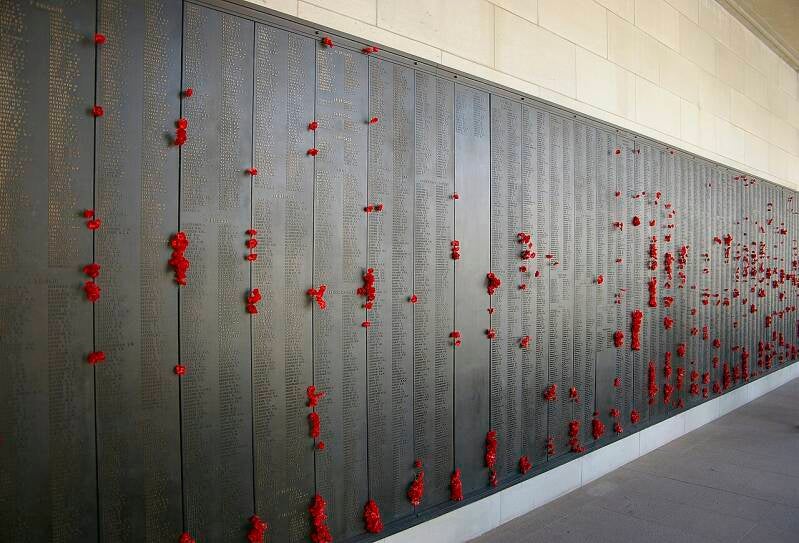
Roll of Honour. Use for a close-looking source activity: What do the names and poppies communicate about commemoration?
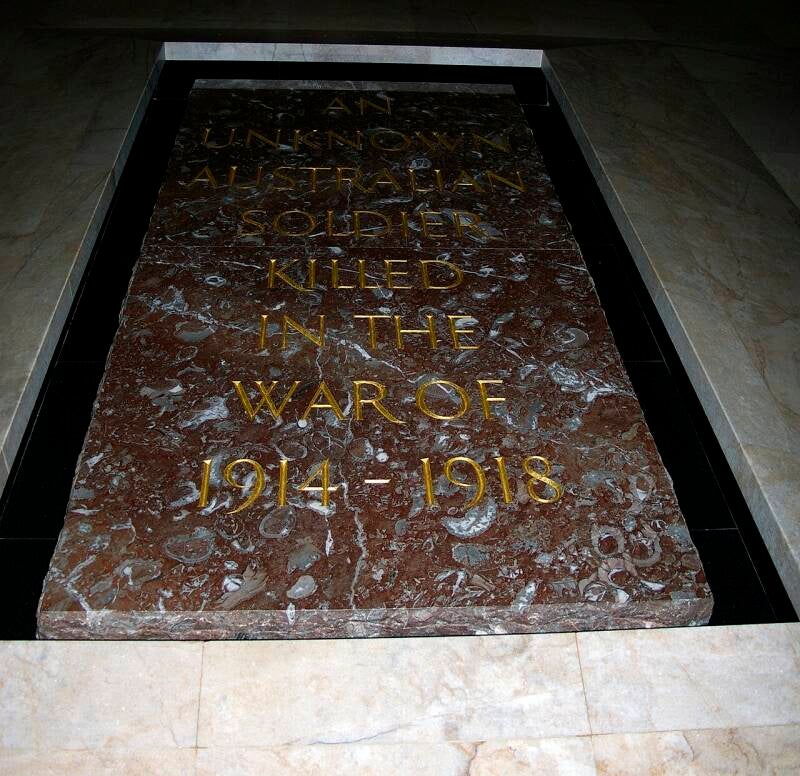
Tomb of the Unknown Australian Soldier. Use to prompt discussion about symbolism, significance and remembrance.
Field-note rule: For every interpretation, students must record the evidence that led them to it. Use two columns: What I notice / What I infer and why.
Observation prompts
Notice
What can you actually see, hear or read?
Infer
What might this mean? Which detail supports your idea?
Question
What do you still need to know?
Perspective
Whose experience is represented? What might be missing?
Digital field notes: Students keep two columns — “What I notice” and “What I infer and why.” This makes the distinction between evidence and interpretation visible.